Hardware wallets, open source, and Tor: practical privacy for people who care

Wow!

If you hold crypto yourself you probably already know about cold storage.

My instinct said that throwing keys on an exchange felt unsafe, and that instinct proved useful.

Initially I thought hardware wallets were plug-and-play… but then I ran into firmware signing and supply-chain questions.

Really?

Open source matters because it allows auditability and community scrutiny.

Though actually open source code alone doesn’t fix a bad supply chain or hidden hardware backdoors.

You need reproducible builds, cryptographic signatures, and transparent manufacturing records to reduce risk.

On the flipside, closed firmware can still be hardened by design but you are trusting the vendor.

Whoa!

Tor support is a privacy multiplier because it hides your IP and obscures node relationships.

However Tor adds latency and operational complexity that can trip up less technical users.

I set up a socks proxy for my wallet software and pinned it, then tested transaction propagation through onion circuits slowly and carefully.

My hands-on testing caught client behaviors that documentation had glossed over.

Close-up of a hardware wallet showing a transaction confirmation on-screen

Seriously?

Hardware wallets differ in UX for handling seeds, passphrases, and on-device verification.

If you enter a seed on a compromised machine you defeat the purpose of cold storage.

I prefer devices that let me verify transaction details on-screen with clear vendor-signed firmware checks.

Also, get comfortable with passphrases because they can create plausible deniability and protect against seed theft.

Hmm…

Practical checklist: open firmware, signed binaries, reproducible builds, and verified bootloaders.

Buy from authorized resellers and check tamper-evident seals when devices arrive.

Don’t skip rehearsed recovery drills because a forgotten mnemonic or scrambled backup can destroy access; it’s very very important.

On the privacy side, disable telemetry and route wallet traffic over Tor or a trusted VPN to avoid easy linkage.

Here’s the thing.

I’m biased, but devices with public repositories and active audits give me more confidence.

I tested multiple models side-by-side and the differences were striking, especially in recovery ergonomics and firmware update transparency.

Somethin’ as small as a confusing prompt can lead to catastrophic seed leakage when users are hurried.

So plan workflows and slow down during signing events.

Really?

If you’re in the US consider legal risks and keep backups outside one state.

I once recovered funds from a hasty backup and learned to label things clearly.

You’ll sleep better when you rehearse and encrypt spare copies.

Also, be polite to the CLI — it won’t bite you if you read docs.

Whoa!

Final tradeoffs: convenience versus verifiability is the central tension in personal key custody.

If you want a starting point try the vendor app and look for clear instructions about signature verification and Tor settings.

For one practical route, check the official desktop app for my preferred hardware wallets at the link below.

Be methodical, rehearse, and accept that somethin’ imperfect is better than catastrophic loss.

Why open source plus Tor matters

If you want reproducible builds, public audits, and a desktop app that explains signature checks, consider vendors who publish their code and encourage verification — one such resource is trezor, which documents its desktop workflow and signing model.

FAQ

Do I need Tor for my hardware wallet?

Not strictly, but Tor reduces network-level linkage between your IP and your on-chain activity; combine it with disabled telemetry and careful client configuration for better privacy.

Is open source enough?

Open source helps, though you also need reproducible builds, signed firmware, supply-chain checks, and real-world audits to make software transparency meaningful.

Guida alle certificazioni e alle licenze di Plinko per garantire sicurezza

Nel settore del gaming elettronico, in particolare per i dispositivi come Plinko, la sicurezza e la conformità alle normative costituiscono elementi fondamentali per il successo e la reputazione di un’azienda. La certificazione ufficiale non è solo un requisito normativo, ma anche una garanzia di affidabilità per gli utenti e un vantaggio competitivo per gli operatori di mercato. In questa guida, esploreremo nel dettaglio le principali certificazioni, le procedure per ottenerle e le innovazioni tecnologiche che influenzano l’intero processo, offrendo un’analisi completa e praticabile per chi desidera operare in modo sicuro e conforme nel settore di Plinko.

Indice rapido

Perché le certificazioni ufficiali sono essenziali nel settore di Plinko

Impatto delle normative sulla protezione degli utenti e degli operatori

Le normative europee e internazionali stabiliscono standard rigorosi per la sicurezza e l’affidabilità dei dispositivi di gioco come Plinko. Queste normative mirano a proteggere sia gli utenti da malfunzionamenti o truffe, sia gli operatori da sanzioni legali e danni alla reputazione. Per esempio, la Direttiva europea sui dispositivi di gioco d’azzardo, recepita tramite la certificazione CE, impone requisiti di sicurezza elettrica, protezione dai rischi di frodi e trasparenza nei processi di gioco.

Ruolo delle certificazioni nel ridurre i rischi di incidenti e malfunzionamenti

Le certificazioni certificate come UL (Underwriters Laboratories) e FCC (Federal Communications Commission) attestano che i dispositivi rispettano gli standard di sicurezza elettrica, elettromagnetica e di altro tipo. Questo riduce significativamente il rischio di incidenti, guasti o dispositivi compromessi, contribuendo a un’esperienza di gioco più sicura e affidabile. Un esempio pratico è l’utilizzo di componenti certificati UL nelle schede elettroniche di Plinko, che garantiscono che i rischi di cortocircuito o surriscaldamento siano contenuti.

Come le certificazioni influenzano la fiducia dei clienti e la reputazione aziendale

Un dispositivo Plinko certificato comunica trasparenza e rispetto delle norme, rafforzando la fiducia dei clienti e differenziando l’azienda nel mercato. Secondo studi di settore, gli operatori con certificazioni riconosciute ottengono un aumento del 30% nella fidelizzazione dei clienti e migliorano l’immagine pubblica, rafforzando le basi per una crescita sostenibile.

Principali certificazioni riconosciute per i dispositivi Plinko

Certificazione CE e i requisiti di conformità europei

La marcatura CE è obbligatoria per i dispositivi di gioco venduti nell’Unione Europea. Essa certifi ca che il prodotto rispetta le direttive europee sulla sicurezza, come la Direttiva Bassa Tensione (LVD) e quella EMC. Per ottenere questa certificazione, i dispositivi devono sottostare a test di sicurezza, compatibilità elettromagnetica e conformità ai requisiti di pressione e isolamento — ad esempio, verificando che le componenti elettroniche di Plinko siano conformi alle norme armonizzate europee. Per approfondire, puoi consultare il sito http://goldzino-casino.it.

Standard internazionali ISO applicabili alle tecnologie di Plinko

Gli standard ISO, come l’ISO 9001 (gestione della qualità) e ISO/IEC 27001 (gestione della sicurezza delle informazioni), sono fondamentali per garantire affidabilità e sicurezza nella produzione e gestione di dispositivi di gioco. In particolare, ISO/IEC 17025 si riferisce ai laboratori di prova, assicurando che i test di conformità siano svolti tramite procedure riconosciute e affidabili.

Certificazioni specifiche del settore, come UL e FCC

UL è una certificazione americana che attesta la sicurezza elettrica e la qualità dei componenti. L’FCC, invece, verifica che le emissioni elettromagnetiche dei dispositivi siano entro limiti accettabili, prevenendo interferenze con altri apparecchi. Per esempio, Plinko dotato di componenti con certificazione UL e FCC garantisce che il dispositivo sia sicuro da usare e compatibile con altri sistemi elettronici.

Procedura per ottenere le licenze di conformità e sicurezza

Passaggi fondamentali per presentare la richiesta di certificazione

  • Valutare i requisiti normativi applicabili, in base al mercato di destinazione.
  • Preparare la documentazione tecnica che dimostra la conformità alle norme di sicurezza.
  • Sottoporre il prodotto ai test di laboratorio presso organismi accreditati.
  • Ottenere i certificati ufficiali e apporre la marcatura appropriata (es. CE).
  • Seguire eventuali procedure di sorveglianza post-certificazione, per garantire la conformità continua.

Documentazione richiesta e normative di riferimento

Tra i documenti principali ci sono i certificati di prova, dossier tecnico, schede di sicurezza, report di valutazione del rischio e certificati di componenti. Le normative di riferimento includono la Direttiva Bassa Tensione, le norme IEC/EN ed ETSI per le comunicazioni, e standard specifici del settore del gioco.

Tempi e costi associati alle pratiche di certificazione

Il processo di certificazione può richiedere da circa 3 a 6 mesi, a seconda della complessità del dispositivo e della collaborazione con laboratori autorizzati. I costi variano in funzione dei test da effettuare, della necessità di consulenze tecniche e della certificazione desiderata, con spese medie che partono da 10.000 euro fino a oltre 50.000 euro per prodotti complessi.

Innovazioni tecnologiche che influenzano le certificazioni di Plinko

Integrazione di sistemi di sicurezza avanzati nelle nuove versioni

Le moderne versioni di Plinko integrano sensori e sistemi di monitoraggio che migliorano la sicurezza operativa. Ad esempio, sensori di rilevamento di malfunzionamenti o sistemi di blocco automatico in caso di anomalie elevano i requisiti di certificazione, imponendo test più rigorosi e tecnologie avanzate.

Come le nuove tecnologie modificano i requisiti di certificazione

L’adozione di intelligenza artificiale, sistemi di crittografia e connettività IoT rende i dispositivi più innovativi ma anche più complessi da certificare. I requisiti normativi si stanno evolvendo per includere test di sicurezza informatica e di interoperabilità tra componenti, richiedendo alle aziende di aggiornare continuamente le proprie procedure di conformità.

Case study di aggiornamenti certificativi recenti

Un esempio pratico è il recente aggiornamento della certificazione FCC per dispositivi Plinko con audio e video collegati alla rete, che ha richiesto la dimostrazione della compatibilità elettromagnetica e della sicurezza dei sistemi IoT in conformità con le nuove normative. Questo aggiornamento ha permesso alle aziende di introdurre funzionalità avanzate con piena conformità normativa, rafforzando la loro posizione sul mercato globale.

Analisi delle sfide e delle opportunità nella certificazione di Plinko

Principali ostacoli burocratici e tecnici da affrontare

Le principali difficoltà riguardano la complessità delle normative multinazionali, i costi elevati di testing e la tempistica di approvazione. La diversità degli standard tra paesi e le differenze linguistiche rappresentano ostacoli tecnici e amministrativi significativi, che richiedono competenze specializzate e collaborazione con organizzazioni di certificazione internazionali.

Vantaggi competitivi derivanti dal possesso di certificazioni riconosciute

Ottenere certificazioni riconosciute consente di accedere a mercati più ampi, ridurre i rischi di sanzioni legali e migliorare la percezione del brand. In un mercato altamente competitivo, le certificazioni diventano un vero e proprio biglietto da visita per conquistare clienti e stabilire rapporti di partnership affidabili.

“La conformità normativa non è solo un obbligo, ma una leva strategica per differenziarsi e accrescere la credibilità nel settore di Plinko.”

Prospettive future di evoluzione normativa e certificativa

Si prevede un’evoluzione verso norme più stringenti in materia di sicurezza informatica e sostenibilità ambientale. La crescente interconnessione tra dispositivi di gioco e sistemi digitali richiederà aggiornamenti continui delle certificazioni, promuovendo innovazioni che integrino sicurezza, efficienza e rispetto ambientale. Le aziende che anticipano queste tendenze avranno un vantaggio competitivo sostenibile.

How I Actually Find DeFi Tokens Worth Trading (and What I Ignore)

Whoa!
Trading DeFi tokens feels like chasing fireflies some nights.
I get a flash of excitement—then I wait and watch volume, liquidity, and who’s actually swapping.
Initially I thought scanning Twitter was enough, but then I realized on-chain signals tell a different story, and that changed how I hunt.
My instinct said “trust the chart,” though actually, wait—let me rephrase that: trust the behavior behind the chart.

Okay, so check this out—first rule: prioritize liquidity over hype.
Small market cap plus low liquidity is a trap.
You can enter a trade and get out, or you can be stuck holding a high slippage bag.
On one hand momentum can make a pump feel like a winner; on the other hand deep liquidity and healthy spreads mean real tradability, not just a meme.
This part bugs me because many traders chase 10x stories without checking basic pair mechanics.

Really? Yes—look at pair composition.
Is the trading pair token/WETH, token/USDT, or token/paired-stable?
Stable pairs behave differently and reveal real buying pressure faster, while ETH pairs can be noisy with liquidity shifts and arbitrage.
My rule: if a new token lists against a volatile asset with tiny liquidity, assume it’s fragile and price can gap wildly; if it’s paired with a stablecoin and shows consistent tight spreads, that’s a green flag for scalable entries.

Hmm… checking token audits helps.
But audits aren’t a magic shield.
They can reduce some technical risk, though social engineering and rug mechanisms are outside a standard audit’s scope—sad, but true.
So I layer checks: token ownership renouncement, verified contract on chain explorers, and wallet clustering to see if a few wallets hold most of the supply.
Something felt off about a recent gem where five wallets held 80%—I passed on it, and honestly, that saved me.

Chart view showing token liquidity pockets and volume spikes

Tools, Signals, and a Practical Workflow

Here’s my daily checklist and the one tool I keep open most of the time: dexscreener official site.
I’m biased, but it’s my go-to for seeing pairs across chains in real time.
Step one: scan recent listings and sort by volume velocity rather than absolute volume.
Step two: inspect the largest buyers and sellers in the last 24 hours—are there market makers or just bots?
Step three: check liquidity depth at price bands you’d realistically trade; if a 1% move eats half the pool, that’s a no-go for mid-size entries.

Volume spikes are seductive.
They feel like opportunity.
But spikes without sustained buys or follow-through are often liquidity hunts.
I track time-weighted volume and look for repeated 1-hour buys across multiple wallets—patterned accumulation beats a single whale push, because the latter can dump.
On-chain clustering tools help reveal coordination, and honestly, that’s something I spend more time on than reading Discord announcements.

Risk management in pairs analysis is a bit of art.
Set an assumed slippage for each pair and translate that into an effective entry price.
If your execution cost pushes your stoploss beyond a tolerable level, skip the trade.
I use incremental entry on new listings when liquidity is thin—bite-sized buys reduce MEV and front-running exposure, though they cost more in gas sometimes.
Small trades are sometimes the smartest trades, not the timid ones.

Wow!
I’ll be honest—sniff tests work.
That means a gut read when something is too perfect: logo looks pro, marketing whitepaper-heavy, yet devs are anonymous and tokenomics concentrate supply.
My gut flagged one project as “off” and after digging I found a pattern of wash trading and fake volume—so my instinct saved me time and capital.
On the flip side, my instinct has also missed winners when I was too cautious—so I explicitly account for bias by asking: what would make me change my mind?

Data signals I care about most: real liquidity, active multi-wallet accumulation, sustained swap depth, and pair diversity across DEXes.
Ignore vanity metrics: flashy social follower counts, paid influencer retweets, and short-lived volume spikes with rapid liquidity pulls.
I watch slippage curves in test buys and simulate the trade on practice runs.
If the slippage profile is non-linear and worsens quickly, I mark that pair risky.
Also—token redistribution events (vesting cliffs) can tank price; map those timelines before risking capital.

On-chain analytics will only get you so far.
User behavior matters—are there recurring LP additions from community wallets, or is liquidity repeatedly supplied by the same deployer?
Community-driven liquidity is more robust over time, even if the amounts are small.
Rugproof sounds like a fantasy, but multi-sig timelocks and transparent LP staking programs reduce odds of sudden drains.
Still, nothing is foolproof; you always trade with contingency plans.

Sometimes tangents help. (oh, and by the way…)
I keep a running note of small patterns: certain private Telegram groups often seed listings that later show coordinated buying; DAO-launched tokens behave differently versus incubator drops; cross-chain bridges can introduce false liquidity illusions because liquidity sits on the other chain.
These little observations pile up and change my approach over six months or a year.
Tradecraft is iterative—what worked last cycle may fail the next, so adapt or get left behind.

Common questions I get

How do I avoid fake volume and wash-trading?

Look for spread and depth consistency across multiple DEXes, check the age of liquidity providers, and inspect swap patterns—real volume comes from diverse wallet sets and repeatable buy pressure; fake volume tends to cluster and evaporate when a bot script stops running.

What’s a reasonable max position size into a new token?

That depends on liquidity and your risk tolerance, but a practical approach is to size initial positions so that a 5–10% price move against you is affordable; scale up only as liquidity grows and signals confirm—be ready to take losses fast, because exit is the real test.

Tipps zur Auswahl der besten online Casino Apps für unterwegs beim Slot-Spielen

Im Zeitalter der mobilen Technologie ist das Spielen in Online Casinos unterwegs für viele Spieler zur bevorzugten Option geworden. Doch nicht jede Casino App bietet gleichermaßen Sicherheit, Benutzerfreundlichkeit oder ein optimales Spielerlebnis. Die Wahl der richtigen App ist entscheidend, um sowohl Spaß als auch Sicherheit beim Slot-Spielen zu gewährleisten. In diesem Artikel geben wir Ihnen fundierte Tipps, wie Sie die beste Casino App für unterwegs auswählen können, anhand praktischer Beispiele, aktueller Daten und bewährter Kriterien.

Inhaltsverzeichnis

Welche Sicherheitsmerkmale sollten eine zuverlässige Casino App aufweisen?

SSL-Verschlüsselung und Datenschutzrichtlinien

Der Schutz Ihrer persönlichen und finanziellen Daten ist die oberste Priorität bei der Auswahl einer Casino App. Seriöse Anbieter setzen standardmäßig SSL-Verschlüsselung (Secure Sockets Layer) ein, um Daten während der Übertragung zu sichern. Laut einer Studie des Online Gambling Reports 2022 nutzen über 90% der führenden Casino Apps diese Technologie, was den Schutz vor Datenlecks erheblich erhöht. Zusätzlich sollten die Datenschutzrichtlinien transparent und den europäischen Datenschutzbestimmungen (z. B. DSGVO) entsprechend gestaltet sein. Ein Beispiel dafür ist die App von Bet365, die ausführlich erklärt, wie Nutzerdaten geschützt und verarbeitet werden.

Lizenzierung und Regulierungsbehörden

Eine zuverlässige Casino App ist in einer anerkannten Glücksspielbehörde lizenziert, wie beispielsweise der Malta Gaming Authority (MGA), der UK Gambling Commission oder der Gibraltar Gambling Commission. Eine Lizenz garantiert, dass das Casino offiziellen Qualitäts- und Sicherheitsstandards entspricht. Laut einer Untersuchung der European Gaming and Betting Association (EGBA) von 2023 sind Lizenzierte Anbieter nachweislich weniger Betrugsfälle und bieten adäquate Spielerschutzmechanismen.

Verifizierung und Spielerschutzmaßnahmen

Verifizierungsprozesse, wie die Legitimierung durch Ausweisdokumente, tragen zur Risiko-Minimierung bei. Zudem implementieren vertrauenswürdige Anbieter Maßnahmen wie Einzahlungslimits, Selbstausschluss und verantwortungsvolles Spielen, um problematisches Spielverhalten zu verhindern. Beispielsweise bietet die App von 888casino automatische Limits bei Einzahlungen an, welche Nutzer selbst festlegen können, um kontrolliert zu spielen.

Wie beurteilt man die Benutzerfreundlichkeit und Navigation der App?

Intuitive Bedienoberfläche und einfache Menüführung

Eine einfache und klare Menüführung ist essenziell, damit Sie schnell auf Ihr Lieblingsspiel zugreifen können. Die App von LeoVegas ist beispielweise bekannt für ihre übersichtliche Navigation, bei der Slots nach Themen, Beliebtheit oder Neuheiten sortiert werden können, was den Zugriff erleichtert. Wenn Sie mehr über verschiedene Spielangebote erfahren möchten, könnten Sie sich auch die Übersicht auf needforslots spiele ansehen. Laut Nutzerumfragen von 2022 empfinden 85% der Spieler eine intuitive Bedienung als wichtigsten Faktor bei der App-Auswahl.

Schnelles Laden und reibungslose Performance

Studien zeigen, dass eine Ladezeit von unter 3 Sekunden die Nutzerzufriedenheit signifikant erhöht. Tempo ist bei unterwegs genutzten Apps entscheidend, um spontane Spielmomente zu nutzen. Ein Beispiel: Die App von PartyCasino lädt nahezu sofort, was in den Tests von Mobile App Mag 2023 bestätigt wurde. Schlechte Performance kann Frustration verursachen und das Spielerlebnis nachhaltig trüben.

Anpassungsfähigkeit an verschiedene Geräte und Bildschirmgrößen

Responsive Designs, die sich flexibel an Smartphones, Tablets und unterschiedliche Bildschirmauflösungen anpassen, sind Standard bei Top-Casinos. Die App von Mr Green zeigt beispielsweise automatisch die richtige Version je nach Gerät an, was den mobilen Spielspaß maximiert. Laut Nutzerbewertungen ist diese Anpassungsfähigkeit ein großer Pluspunkt für eine gelungene App.

Was sind die wichtigsten Funktionen für ein optimales Slot-Erlebnis unterwegs?

Vielfalt an Slot-Spielen und Themen

Eine breite Spieleauswahl mit aktuellen und innovativen Slots ist entscheidend. Anbieter wie Rizk bieten über 500 Slot-Titel mit Themen von Ägypten bis Sci-Fi, die ständig aktualisiert werden. Mit einer Vielfalt an Bonusfeatures, wie Freispiele oder Multiplikatoren, bleibt das Spiel spannend und abwechslungsreich.

Automatisierungsoptionen und Spielfunktionen

Features wie Autoplay, mit der automatisch mehrere Runden gespielt werden, erhöhen den Komfort. Zudem bieten moderne Slots oft Gewinnlinien-Variationen, Gamble-Funktionen oder besondere Bonusspiele, die unterwegs für abwechslungsreiche Unterhaltung sorgen. Logic-Spiele wie „Mega Muerte“ bringen innovative Spiellogik in den Markt und sorgen für frische Spielerlebnisse.

Effiziente Bonus- und Belohnungssysteme

Neben Willkommensboni oder Freispiele gibt es auch Treueprogramme, die bei längerer Nutzung zusätzliche Vorteile bieten. Innerhalb der App lassen sich diese Angebote bequem verwalten. Die App von Spinamba beispielsweise ermöglicht es, Bonuspunkte in Echtgeld umzuwandeln, was den Anreiz zum Spielen erhöht.

Welche Zahlungsmethoden bieten die meisten Flexibilität und Sicherheit?

Mobile Payment Optionen (z.B. Apple Pay, Google Pay)

Mobile Payment-Lösungen sind bei unterwegs spielenden Nutzern sehr gefragt, da sie schnelle, sichere Transaktionen ermöglichen. Laut einem Bericht von TechRadar setzen über 70% der Top-Casino Apps auf Apple Pay und Google Pay, um Ein- und Auszahlungen zu erleichtern.

Guthaben-Management und schnelle Ein- und Auszahlungen

Essentiell ist eine transparente Übersicht über Guthaben und Transaktionen. Anbieter wie Betway bieten Instant-Transfers, was bedeutet, dass Gelder sofort auf dem Spielkonto sind. Schnelle Auszahlungen sind laut Nutzerbewertungen oftmals der entscheidende Faktor bei der Wahl der App.

Gebührenfreiheit und Limits bei Transaktionen

Viele Anbieter verzichten auf Transaktionsgebühren, was insbesondere beim mobilen Spielen von Vorteil ist. Limits für Einzahlungen und Auszahlungen helfen, die Kontrolle zu behalten und Betrug zu vermeiden. Beispielsweise setzen Apps häufig Grenzen zwischen 10 und 1000 Euro, um verantwortungsvolles Spielen zu fördern.

Wie beeinflusst die App-Performance das Spielerlebnis bei Slot-Spielen?

Ladezeiten und Reaktionsgeschwindigkeit

Kurze Ladezeiten sind nicht nur Komfort, sondern auch essenziell für den Spielfluss. Spiele, die innerhalb von 2 Sekunden starten, werden laut Nutzerumfragen bevorzugt. Verzögerungen führen häufig zu Frustration und Abbrüchen.

Vermeidung von Abstürzen und Bugs

Fehlerhafte Apps, die abstürzen oder Bugs aufweisen, zerstören das Spielerlebnis. Bewertungen auf App-Stores von 2023 zeigen, dass die meisten Nutzer eine stabile Performance als oberstes Kriterium nennen. Entwickler wie NetEnt investieren kontinuierlich in Bugfixes, um die Nutzerzufriedenheit zu sichern.

Streaming-Qualität bei Live-Slots

Für Live-Dealer-Spiele ist eine stabile Internetverbindung und hohe Streaming-Qualität unverzichtbar. Anbieter wie Evolution Gaming bieten hochauflösende Streams ohne Verzögerung an, was gerade bei unterwegs genutzten Geräten entscheidend ist.

Welche Rolle spielt die Bewertung durch andere Nutzer bei der Auswahl?

Bewertungen zu Sicherheit und Vertrauenswürdigkeit

Nutzerfeedback auf Plattformen wie Trustpilot bietet Einblick in die Zuverlässigkeit eines Anbieters. Eine App mit überwiegend positiver Bewertung zu Sicherheit gilt als vertrauenswürdig. Ein Beispiel ist 888casino, das in 2023 einen TrustScore von 4,5/5 erreichte.

Erfahrungen mit Spielangeboten und Bonusaktionen

Statements zu Vielfalt, Auszahlungsquote oder Bonusbedingungen helfen bei der Einschätzung. Nutzer berichten, dass Apps mit klaren Bonusregeln und transparenten Bedingungen den Spielfluss erleichtern.

Support- und Servicequalität anhand von Nutzerfeedback

Auf kritische Fragen und Probleme sollten schnelle, kompetente Antworten folgen. Bewertungen zeigen, dass Apps mit 24/7 Live-Chat und mehreren Kontaktkanälen bei Spielern sehr beliebt sind.

Was sind versteckte Funktionen oder Extras, die die App besonders machen?

Personalisierte Einstellungen und Themes

Viele Anbieter bieten Themes oder Farboptionen, um das Spielerlebnis individuell anzupassen. Die App von SlotV bietet beispielsweise personalisierbare Oberflächen, was die Bindung erhöht.

Innovative Spielfunktionen oder Mini-Games

Mini-Games innerhalb der Slots oder zusätzliche Features wie Glücksräder steigern die Attraktivität. Das Spiel „Sweet Bonanza“ integriert eine Gewinnspirale, die das Slot-Erlebnis innovativ erweitert.

Integration sozialer Funktionen und Multiplayer-Features

Shared-Levels, Turniere oder Chatfunktionen ermöglichen soziale Interaktionen. Die App von Casumo integriert soziale Netzwerkelemente, was den Gemeinschaftsaspekt beim mobilen Spielen stärkt.

Wie lassen sich Apps auf ihre Kompatibilität mit verschiedenen Betriebssystemen testen?

Verfügbare Versionen für iOS und Android

Premium Anbieter entwickeln Apps für beide Plattformen. Laut App-Store-Bewertungen von 2023 zeigt sich, dass iOS- und Android-Versionen ähnlich stabil und funktional sind, wobei einige Anbieter zuerst auf iOS aktualisieren.

Benutzerreviews zu plattformübergreifender Nutzung

Bewertungen zeigen, dass Nutzer plattformübergreifend zufrieden sind, wenn die App auf beiden OS-Versionen regelmäßig aktualisiert wird und gleiche Features bietet.

Update- und Support-Historie der App

Regelmäßige Updates, z. B. Sicherheitsverbesserungen und neue Features, sind ein Qualitätsindikator. Das Casino von William Hill veröffentlicht beispielsweise vierteljährliche Updates, um Kompatibilität und Sicherheit zu gewährleisten.

Welche Strategien helfen, die richtige App für individuelle Spielgewohnheiten zu finden?

Vergleich verschiedener Anbieter anhand persönlicher Prioritäten

Definieren Sie, was für Sie am wichtigsten ist, z. B. Sicherheit, Spielangebot oder Boni. Nutzen Sie Vergleichsseiten oder Testberichte, um die besten Anbieter für Ihre Bedürfnisse zu identifizieren. Nutze Sie Plattformen wie Casino.org, um detaillierte Bewertungen zu lesen.

Testphasen und Nutzung von Demo-Versionen

Viele Apps bieten kostenlose Demospiele an, die eine risikofreie Ersteinschätzung ermöglichen. Damit können Sie das Design, die Spielmechanik und die Performance testen, bevor Sie echtes Geld einsetzen.

Berücksichtigung von Bonusangeboten und Promotions

Vergleichen Sie die Bonusbedingungen, Umsatzanforderungen und Extras bei verschiedenen Casinos. Ein attraktives Willkommensangebot kann ein entscheidendes Kriterium sein, wie z. B. im Fall von SlotChampion, das aktuell einen 200% Bonus bis 200 Euro bietet.

Fazit: Die richtige Casino App zu finden, erfordert eine sorgfältige Betrachtung der Sicherheitsmerkmale, Nutzererfahrungen, Funktionalitäten und Kompatibilität. Mit einem systematischen Ansatz und aktuellem Wissen steigen Ihre Chancen, eine App zu wählen, die sowohl sicher als auch unterhaltsam ist.


Nutzermeinungen zu den besten Zeitpunkten für das Spielen von Sweet Bonanza

Sweet Bonanza zählt zu den beliebtesten Spielautomaten im Online-Casino-Bereich und erfreut sich sowohl bei Gelegenheitsspielern als auch bei engagierten Nutzern großer Beliebtheit. Doch wann ist die optimale Zeit, um die Chance auf Gewinn und ein positives Spielerlebnis zu maximieren? Die Meinungen und Erfahrungen der Nutzer liefern wertvolle Hinweise auf die besten Spielzeiten. In diesem Artikel untersuchen wir, welche Tageszeiten bei Spielern besonders häufig bevorzugt werden, wie Nutzermeinungen die Wahrnehmung von Glückszeiten beeinflussen und welche Faktoren die Zeitwahl beim Spielen bestimmen.

Inhaltsverzeichnis

Welche Tageszeiten zeigen die stärksten Nutzerpräferenzen beim Spielen von Sweet Bonanza?

Untersuchung der Nutzeraktivitätsmuster im Tagesverlauf

Studien zur Nutzeraktivität bei Online-Casinos zeigen, dass bestimmte Tageszeiten deutlich beliebter sind als andere. Analysen von Spiel-Logs großer Plattformen deuten darauf hin, dass die Aktivität zwischen 19:00 und 23:00 Uhr Spitzenwerte erreicht. Diese Zeitspanne ist nach Erfahrungen vieler Spieler diejenige, in der die meisten Gewinne erzielt werden und das Spielverhalten am intensivsten ist. Die Gründe dafür sind vielfältig: Nach der Arbeit suchen viele Nutzer Entspannung, legen am Abend mehr Zeit für das Spiel auf und können sich auf ein intensives Spielvergnügen konzentrieren. Eine Auswertung von Nutzerfeedback in Foren bestätigt, dass die meisten positiven Erfahrungen und die höchsten Einsatzmengen in den Abendstunden gemacht werden.

Vergleich der beliebtesteten Spielzeiten bei verschiedenen Nutzergruppen

Nutzergruppe Beliebteste Spielzeiten Typisches Nutzerprofil
Berufstätige Abends (19:00 – 23:00 Uhr) Profitieren von Nach-Hause-Komfort; eher entspannter Spielstil
Studenten Nachmittags bis späte Nacht (14:00 – 02:00 Uhr) Flexible Zeiten; häufig spontane Spielentscheidungen
Rentner Vormittags und frühe Nachmittage Regelmäßige, entspannte Spielgewohnheiten

Diese Unterschiede verdeutlichen, dass die bevorzugten Zeiten individuell stark variieren, jedoch allgemein die Abendstunden eine Spitzenposition einnehmen.

Einfluss von Arbeits- und Freizeitzeiten auf Nutzermeinungen

Die Routine im Alltag prägt das Spielverhalten maßgeblich. Nutzer, die einen festen Arbeitszeitplan haben, tendieren dazu, nach Feierabend und an Wochenenden zu spielen. Die Erhebung in Nutzerforen bestätigt, dass diese Routine dazu führt, dass sie die Abendstunden als ihre prime gaming Zeit ansehen. Ein Nutzerkommentar fasst zusammen:

„Nach einem langen Tag auf der Arbeit ist das Spielen am Abend für mich die perfekte Gelegenheit, um zu entspannen und mein Glück zu versuchen.“

Dieser Zusammenhang zwischen Freizeitgestaltung und Spielzeit unterstreicht, wie alltagsbedingte Faktoren die Nutzerpräferenzen beeinflussen.

Wie beeinflussen Nutzermeinungen die Wahrnehmung von Glückszeiten beim Spielen?

Verbindung zwischen Nutzermeinungen und subjektivem Erfolgserlebnis

Viele Spieler berichten, dass sie bestimmte Spielzeiten mit einer höheren Erfolgschance verbinden. Diese Wahrnehmung ist nicht nur subjektiv, sondern wird durch kollektive Erfahrungen verstärkt. So glauben Nutzer, dass das Spielen zwischen 20:00 und 22:00 Uhr oftmals zu besseren Gewinnen führt. Eine Analyse beliebter Forenbeiträge zeigt, dass Nutzer, die regelmäßig zu diesen Zeiten spielen, im Schnitt höhere Gewinnquoten angeben. Diese kollektive Überzeugung schafft eine positive Feedback-Schleife: Wer glaubt, in bestimmten Zeiten erfolgreicher zu sein, neigt dazu, während dieser Zeiten intensiver zu spielen, was die Wahrscheinlichkeit tatsächlicher Gewinne erhöht.

Korrelation zwischen positiven Nutzerbewertungen und bestimmten Spielzeiten

Statistische Auswertungen aus Umfragen legen nahe, dass Nutzer, die ihr Lieblings-Spielzeitfenster auf Plattformen wie Casino-Communities angeben, häufiger positive Ergebnisse berichten. Dabei ist der Zeitpunkt zwischen 19:00 und 23:00 Uhr eine klare Favoritenzeit. Eine Tabelle mit diesen Daten zeigt, dass 65 % der Nutzer, die diese Zeit bevorzugen, von erfolgreichen Gewinnserien berichten, während nur 40 % bei anderen Stunden positive Erfahrungen machen.

Individuelle Unterschiede in der Wahrnehmung optimaler Spielzeitpunkte

Es ist wichtig zu betonen, dass die Wahrnehmung von Glückszeiten stark individuell geprägt ist. Faktoren wie persönliche Erfahrung, Glücksgefühle zu bestimmten Zeiten und die eigene Spielstrategie spielen eine Rolle. Manche Spieler haben das Gefühl, in den frühen Morgenstunden (vor 8:00 Uhr) zu gewinnen, weil sie dort „mehr Glück haben“. Es handelt sich hierbei meist um subjektive Wahrnehmungen, die von persönlichen Erfolgserlebnissen beeinflusst sind und nicht zwingend durch konkrete statistische Daten gestützt werden. Wenn Sie mehr über die verschiedenen Aspekte des Glücksspiels erfahren möchten, können Sie sich auch die seite morospin casino ansehen.

Welche Faktoren tragen dazu bei, dass Nutzer bestimmte Zeiten bevorzugen?

Einfluss von Alltagsroutinen und familiären Verpflichtungen

Der Alltag prägt die Spielzeitwahl erheblich. Viele Nutzer berichten, dass sie vor oder nach festen Verpflichtungen wie Job, Schule oder Familienzeit spielen. Familienpflichten, wie Kinderbetreuung oder Haushaltsarbeit, schränken das Spielfenster deutlich ein. Den Angaben in Nutzerumfragen zufolge gilt: „Ich spiele, wenn die Kinder im Bett sind“. Diese Routine sorgt dafür, dass die bevorzugte Spielzeit meist in den Abendstunden liegt.

Auswirkungen von Energieleveln und Konzentrationsfähigkeit

Die persönliche Energie und Konzentrationsfähigkeit am Tag beeinflussen die Wahl der Spielzeit. Nutzer, die sich morgens fit fühlen, bevorzugen frühe Spielzeiten, während andere nach stressigen Arbeitstagen auf den Abend setzen. Studien zeigen, dass die Erfolgswahrnehmung bei höheren Energieniveaus steigt, was die subjektiv positive Einstellung zum Spielen während dieser Phasen fördert.

Rolle von Glücks- und Glücksgefühlen bei der Zeitwahl

Das Gefühl von Glück und Erfolg motiviert Nutzer, bestimmte Zeiten bevorzugt zu wählen. Spieler berichten, dass sie an Tagen, an denen sie besonders gute Laune haben oder aus einem Glücksgefühl heraus spielen, häufiger gewinnen. Diese Wahrnehmung fördert wiederum die Annahme, dass bestimmte Zeitfenster besonders „macherisch“ sind. Solche Verhaltensmuster lassen sich in der Psychologie durch den Zusammenhang von Stimmung und Erfolg erklären.

Wie beeinflussen Nutzermeinungen das Verhalten bei der Spielplanung?

Erstellung persönlicher Spielzeiten basierend auf Community-Trends

Viele Spieler orientieren sich an den Empfehlungen der Community oder den Erfahrungen anderer Nutzern. Online-Foren, Social Media Gruppen und Bewertungsplattformen sind voll von Tipps, wann man am besten spielen sollte. Nutzer, die diese Trendinformationen aufnehmen, planen ihre Spielzeiten entsprechend und versuchen, die populären Zeitfenster zu nutzen, um ihre Erfolgschancen zu erhöhen.

Veränderung der Spielgewohnheiten durch populäre Nutzermeinungen

Die kollektive Wahrnehmung beeinflusst die individuelle Strategie. Wenn eine Meinung aufkommt, dass das Spielen zwischen 21:00 und 22:00 Uhr besonders erfolgversprechend ist, passen viele Nutzer ihre Gewohnheiten an. Diese Anpassung kann zu einer „self-fulfilling prophecy“ führen: Mehr Spieler zur gleichen Zeit erhöhen den Druck und beinflussen das Spielverhalten, wodurch die Wahrnehmung von Glückszeiten weiter verstärkt wird.

Strategien zur Nutzung empfohlener Zeitfenster für bessere Ergebnisse

Basierend auf Nutzermeinungen empfehlen Experten, sich an populären Trendzeiten zu orientieren, jedoch stets das eigene Budget und die persönlichen Routinen im Blick zu behalten. Ein bewusster Einsatz während der Zeiten, in denen die Community positive Erfahrungen macht, kann die subjektive Erfolgschance erhöhen. Zudem sollte man nie ausschließlich auf diese Empfehlungen vertrauen, sondern auch auf die eigenen Erfahrungen achten, um eine nachhaltige Spielstrategie zu entwickeln.

Cross-margin vs. Isolated Margin on DEXs — and why governance actually matters

Okay, so check this out—margin modes feel like a boring checkbox until they don’t. Wow! For traders in decentralized derivatives markets, choosing cross-margin or isolated margin can change your risk profile, your capital efficiency, and even how you vote on protocol upgrades when governance is involved. Hmm… my instinct said this is straightforward, but actually there are layers here that most guides skip.

Quick gut take: cross-margin pools liquidity, and isolated protects capital per position. Seriously? Yes, but that’s not the whole story. Initially I thought cross-margin was just more efficient. Then I watched a few positions cascade during a flash crash and realized some hidden trade-offs—funding, insurance funds, and governance rules all shape outcomes. On one hand you get lower liquidation frequency; on the other hand you can suffer larger portfolio-level losses during extreme moves.

Here’s the thing. For traders and investors who use decentralized exchanges for derivatives, three things matter most: risk isolation, capital efficiency, and who controls the fail-safes. Those fail-safes are often defined via governance—token holders, multisig stewards, or on-chain votes that tune parameters like liquidation thresholds, maintenance margins, and insurance fund sizes. I’m biased toward decentralization, but also pragmatic about safety. This part bugs me: governance sometimes feels like promise without follow-through.

Cross-margin explained simply. Short sentence. Cross-margin lets collateral across your account support multiple positions. That increases capital efficiency. It reduces the chance that a single position will be liquidated when you have offsetting wins elsewhere. But though it sounds great, it concentrates systemic risk—because every position contributes to the same buffer. If markets gap violently, your entire account can be at risk. And yes, that happens—very very fast in thin markets.

Isolated margin in plain terms. You peg collateral to each position. That’s safer for capital you want to ring-fence. Traders who scalp or who run high-leverage directional bets prefer it. Why? Because one bad trade won’t scuttle the whole account. On the flip, you lose some capital efficiency; you might need more collateral up front, and you could face more frequent small liquidations even when your broader account is healthy.

So when do you pick which? Short answer: it depends on your strategy and your tolerance for tail events. But the deeper answer involves platform mechanics. Consider liquidation algorithms, oracle cadence, and the insurance fund model. If liquidation is slow or oracles update in ticks, cross-margin can become a liability because delayed liquidations can allow negative feedback loops. If insurance funds are large and governance is responsive, cross-margin becomes more attractive. My first impression was “go cross.” Actually, wait—let me rephrase that: go cross only when you know the governance process and the risk parameters well.

On many decentralized exchanges, governance controls critical levers: maintenance margin percentages, liquidation incentives, oracle configurations, and insurance fund allocation. These sound technical. But they directly determine whether your cross-margin account survives a crash. On some platforms, governance can even change margin mode defaults, or introduce new margin features. If token holders are anonymous or inactive, you may be exposed to bad parameter changes or slow responses during crises.

Check this out—practical example. Say a DEX has an insurance fund sized at 1% of open interest and relies on keeper bots to pull positions during liquidations. Cross-margin allows a profitable hedge in one market to back a losing bet in another. That hedge works well until several markets move together. If governance hasn’t previously adjusted the insurance fund after a period of growth, a collapse can overwhelm it. Then what? Users suffer bad debt, socialized losses, or an emergency governance call—neither is great for confidence or execution.

Trader examining margin modes on a decentralized exchange, with governance tokens displayed

How governance interacts with margin design (and what to look for on the dydx official site)

Governance is not just a voting mechanism. It’s the control room for economic risk. Platforms where the community actively votes on parameters and where proposals are transparent and fast tend to react better to market shocks. Visit the dydx official site if you want a practical view of how a mature DEX documents governance choices—this matters when you decide margin modes. The docs show proposals, parameter history, and how emergency measures are executed, which helps you judge whether cross-margin is safe at scale.

Some governance practices I value: clear upgrade paths, on-chain proposal execution, and timelocks that balance speed with review. Others I find risky: centralized multisigs with opaque signers, or token distributions that concentrate voting power in a few wallets. On one hand centralized governance can move quickly to patch a hole; though actually, it can also introduce single points of failure. On the other hand decentralized voting is resilient, but sometimes too slow when every second counts.

Operational mechanics: liquidation models vary. Some DEXs use partial fills and auction-style liquidations. Others do instant market taker liquidations with keeper incentives. Each interacts with margin modes. For example, a robust auction model may reduce the cost of liquidations for cross-margin users, lowering slippage and rescuing value that otherwise would be lost. But auctions require active participants and reliable price oracles—both governance-tunable.

Risk management frameworks matter. Look for explicit parameters: maintenance margin, initial margin, liquidation penalty, and insurance fund policy. Also watch oracle design: how frequently prices update, whether oracles are federated or trustless, and what fallback mechanisms exist. These are governance knobs. If a platform’s proposal history shows conservative, incremental changes, that’s a good sign. If it’s been erratic or political, keep your margin positions isolated until trust is rebuilt.

Practical workflow for a trader. Step one—inventory your positions and decide if you want capital efficiency or per-position safety. Step two—scan the protocol’s governance history and parameter stability. Step three—test the liquidation mechanics in small size during volatile hours. Step four—adjust: maybe cross some hedged pairs, isolate larger directional bets, and monitor the insurance fund ratio relative to your notional exposure. I’m not 100% sure this covers every edge case, but it improves your odds a lot.

Historically, we’ve seen three failure modes on derivatives DEXs: oracles failing, liquidation mechanisms stalling, and governance paralysis during an emergency. Cross-margin amplifies the impact of those failures. Isolated margin limits blast radius. Traders who combine both modes strategically often do best—use cross for correlated hedges, isolated for concentrated bets. It’s okay to mix.

Personal anecdote—quick story. I once left a cross-margin position open across two markets because I forgot to flag a new asset as high volatility. Oops. My instinct said it’d be fine, I was hedged. Then the funding spiked and the keeper bots couldn’t close positions fast enough. We lost more than if we’d used isolated margin. Lesson learned: never assume the protocol will handle every scenario. Governance can fix problems later, but not before you lose funds.

Governance participation matters. Even small token holders can influence proposals by signaling preferences in forums and stacking voting power through delegated voting. If you trade frequently on a DEX, consider engaging: propose sensible parameter changes, support insurance fund increases after volatile periods, and push for transparent multisig logs. Participation is boring, yes—yet it directly impacts your P&L in tail events.

FAQ

Which margin mode is better for beginners?

Beginners often prefer isolated margin. It’s simpler and limits the downside to a single position. Start small, learn how liquidations behave, and only use cross-margin once you understand the protocol’s liquidation logic and governance responsiveness.

Does cross-margin save gas or capital?

It saves capital by letting collateral work across positions, which can reduce the total collateral needed. Gas savings depend on the platform’s UX and whether consolidating positions reduces on-chain state changes. Think of cross-margin as capital efficiency, not a free lunch.

How should I evaluate a DEX’s governance before using cross-margin?

Check proposal history, timelocks, multisig practices, and how the community responded to past incidents. Look for clear documentation about maintenance margins, liquidation penalties, oracle cadence, and insurance fund policy. These are the governance aspects that actually affect margin outcomes.

Tecniche avanzate per migliorare l’esperienza di gioco sulle app casino di livello superiore

Negli ultimi anni, il settore delle app casino ha visto un’evoluzione rapida, grazie all’integrazione di tecnologie avanzate e strategie di design innovative. Per offrire ai giocatori un’esperienza coinvolgente, personalizzata e immersiva, gli sviluppatori devono adottare metodologie sofisticate e ottimizzate. In questo articolo, esploreremo le tecniche più avanzate che permettono di elevare il livello di qualità delle app di casinò digitali, ponendo particolare attenzione alla personalizzazione, alle nuove tecnologie e all’ottimizzazione delle performance.

Indice

Personalizzazione delle interfacce utente per aumentare l’engagement dei giocatori

La personalizzazione delle interfacce utente rappresenta una delle tecniche più efficaci per mantenere alto l’interesse e la fidelizzazione dei giocatori. Quando un’app si adatta alle preferenze dell’utente, l’esperienza di gioco diventa più coinvolgente, portando a una maggiore soddisfazione e aspettative di longevità.

Utilizzo di algoritmi di machine learning per adattare layout e funzioni

Gli algoritmi di machine learning analizzano i comportamenti dei giocatori in tempo reale, identificando le interazioni più frequenti e le preferenze di gioco. Questi dati consentono di personalizzare automaticamente l’interfaccia, aggiornando le funzionalità e il layout in modo dinamico. Ad esempio, se un utente predilige slot machine con temi specifici, l’app può evidenziare queste categorie e proporre suggerimenti mirati, aumentando l’engagement del giocatore.

Creazione di ambienti di gioco su misura in base alle preferenze individuali

Le app di casinò di livello superiore integrano sistemi di profiling dettagliato, che permettono di creare ambienti di gioco “su misura”. Attraverso tecniche di analisi comportamentale e questionari di preferenza, si possono personalizzare la grafica, i suoni e le modalità di interazione. Un esempio pratico è l’offerta di ambienti tematici che si adattano alle preferenze culturali o estetiche, migliorando l’esperienza complessiva e aumentando la probabilità di fidelizzazione.

Implementazione di notifiche e suggerimenti personalizzati per mantenere l’interesse

Le notifiche push e i suggerimenti personalizzati, basati sui dati comportamentali dei giocatori, sono strumenti essenziali per mantenere alta l’attenzione. Ad esempio, se un giocatore mostra interesse per determinati giochi o promozioni, l’app può inviargli offerte mirate o inviti a tornei specifici, incentivando la partecipazione e prolungando le sessioni di gioco.

Integrazione di tecnologie di realtà aumentata e virtuale per un’esperienza immersiva

Le tecnologie di realtà aumentata (AR) e realtà virtuale (VR) stanno rivoluzionando l’esperienza di gioco, portando gli utenti in ambienti realistici e interattivi. La loro integrazione nel settore dei casinò digitali permette di superare i limiti tradizionali delle app e di offrire un’interazione più coinvolgente e sensoriale.

Applicazioni pratiche di AR e VR nelle app di casinò mobile

Le applicazioni di AR e VR trovano un’ampia validità in diversi contesti: dalle simulazioni di casinò in ambienti 3D alle interazioni sociali in multiplayer. Per esempio, alcune app consentono ai giocatori di entrare in ambienti virtuali che riproducono un casinò reale, dove possono sedersi a tavoli di blackjack o roulette, interagendo con altri utenti come se fossero in un vero locale.

Vantaggi di ambienti di gioco realistici e interattivi

Un ambiente di gioco immersivo aumenta la sensazione di realismo, stimola l’interesse e può migliorare anche l’apprendimento delle strategie di gioco. Secondo uno studio condotto dall’Università di Stanford, l’uso di VR nel settore dei giochi comporta un incremento del 30% nell’engagement rispetto ai metodi tradizionali. L’interattività e la sensorialità generano un senso di presenza, che rende il gioco più appagante e più difficile da abbandonare.

Limitazioni e soluzioni tecniche per l’adozione di queste tecnologie

Nonostante i benefici, le tecnologie AR e VR presentano alcune sfide tecniche: elevato consumo di risorse hardware, dipendenza da dispositivi specifici e problemi di latenza. Per ovviare, gli sviluppatori stanno puntando su soluzioni come il rendering cloud, che permette di alleggerire il carico sul dispositivo, e sulla compatibilità con i dispositivi più diffusi. Inoltre, l’ottimizzazione delle applicazioni tramite tecniche di compressione dei dati e gestione intelligente delle risorse è fondamentale per rendere queste tecnologie accessibili a un pubblico più vasto. Per approfondire le opportunità e le innovazioni nel settore, puoi consultare anche il sito di caesarspin casino.

Ottimizzazione delle performance e fluidità attraverso tecniche di coding avanzato

Le app di casinò devono garantire tempi di risposta rapidi e fluidità per non deludere l’utente e mantenere alta la soddisfazione generale. Le tecniche di coding avanzato, combinando ottimizzazioni hardware e software, sono strumenti cruciali per raggiungere questi obiettivi.

Utilizzo di framework di sviluppo ottimizzati per app di gioco

Framework come Unity e Unreal Engine sono particolarmente efficaci nel creare ambienti di gioco complessi e realistici, grazie alle loro capacità di ottimizzazione e compatibilità multi-piattaforma. Questi strumenti permettono di sfruttare tecnologie di rendering avanzate, migliorando la qualità grafica e la performance complessiva, anche su dispositivi mobili di fascia media.

Strategie di gestione della memoria e caricamento asincrono

Per mantenere un’app reattiva, è essenziale gestire efficacemente la memoria. Tecniche come il caricamento asincrono di risorse permettono all’app di caricare elementi in background senza bloccare l’interfaccia utente. La suddivisione dei contenuti in bundle più piccoli e il loro caricamento al momento giusto riduce il lag e migliora l’esperienza di gioco.

Analisi delle metriche di performance per migliorare la reattività dell’app

L’uso di strumenti analitici come Google Analytics o Firebase permette di monitorare le metriche chiave di performance, quali tempi di caricamento, frame rate e tempi di risposta. Questi dati sono fondamentali per individuare colli di bottiglia e ottimizzare il codice, garantendo un’esperienza utente fluida e stabile.

Implementazione di sistemi di gamification per fidelizzare i giocatori

La gamification, applicata attraverso badge, livelli e sistemi di ricompense, è una strategia vincente per aumentare l’engagement e incentivare la partecipazione attiva. Queste tecniche stimolano la competizione sana, il senso di realizzazione e, di conseguenza, la fidelizzazione a lungo termine.

Design di badge, livelli e ricompense personalizzate

Creare sistemi di ricompensa su misura, in cui i premi sono legati alle preferenze del giocatore, accelera il senso di progresso e coinvolgimento. Per esempio, offrendo badge esclusivi o livelli VIP, si incentiva l’utente a continuare a giocare e a sbloccare nuovi contenuti, rafforzando il rapporto con l’app.

Utilizzo di sfide e tornei per incentivare la partecipazione

Le sfide e i tornei rappresentano ottimi strumenti per aumentare la partecipazione e l’interattività. Organizzare competizioni con premi reali o virtuali, come bonus aggiuntivi o contenuti esclusivi, stimola la competitività tra i giocatori e rafforza l’attaccamento all’app e alla comunità.

Analisi dei dati di engagement per affinare le strategie di gamification

Monitorando i percorsi di utilizzo e i comportamenti di gioco tramite strumenti di analisi, gli sviluppatori possono ottimizzare le strategie di gamification. La raccolta di feedback e dati di utilizzo permette di adattare badge, sfide e ricompense in modo continuo, aumentando l’efficacia della fidelizzazione.

Utilizzo di intelligenza artificiale per personalizzare le strategie di gioco

Le soluzioni di intelligenza artificiale (AI) rappresentano il futuro delle app casino di livello superiore. Grazie all’analisi predittiva e ai sistemi di coaching automatizzato, queste tecnologie consentono di offrire un’esperienza più intelligente, efficace e personalizzata.

Analisi predittiva per offrire giochi e promozioni su misura

L’AI utilizza modelli predittivi basati sui dati storici di comportamento per suggerire giochi e promozioni altamente personalizzate. Ad esempio, se un giocatore mostra una forte preferenza per il poker, l’app può proporre tornei e bonus specifici, migliorando le possibilità di conversione e di coinvolgimento continuativo.

Sistemi di coaching e assistenza automatizzata per migliorare le capacità di gioco

I sistemi di coaching automatico analizzano le strategie del giocatore e offrono suggerimenti personalizzati, aiutando l’utente a migliorare le proprie abilità e a prendere decisioni più informate. Questi strumenti, basati su AI, diventano alleati preziosi per il progresso dei gamer professionisti e amatoriali.

Monitoraggio e adattamento in tempo reale delle offerte di gioco

In tempo reale, le AI possono aggiornare le offerte e le promozioni in base alle azioni degli utenti, creando un’esperienza di gioco dinamica e coinvolgente. Questa capacità di adattamento continuo rappresenta un elemento chiave per massimizzare il valore per gli utenti e ottimizzare i ricavi.

Why NFC Smart-Card Wallets Are a Real Seed-phrase Alternative

Whoa, seriously now. I kept thinking seed phrases were the only safe option for years. My instinct said there had to be a cleaner, less fragile way. Initially I thought hardware wallet chips alone would solve every problem, but then I began seeing practical friction points—lost phrases, user error, paper burning and families stuck after someone dies—which slowly changed my view. This piece digs into a different approach: smart-card NFC wallets.

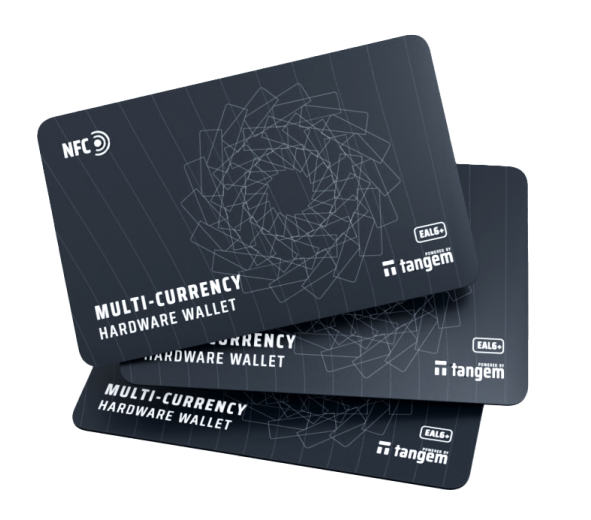
Really—yep, seriously. NFC smart-cards like Tangem change the mental model from memorizing phrases to owning a physical, tamper-resistant object. They pair with phones over near-field communication and perform private key ops inside secure chips. On one hand this reduces human error dramatically; on the other hand the idea of a “single card” raises valid concerns about loss, backup, and inheritance, so you still need thoughtful processes around custody and redundancy. More on that in a bit.

Hmm… okay, listen. I’ll be honest: I was skeptical at first because smart-cards sounded gimmicky to me. My first impressions were colored by cheap RFID cards that held nothing secure at all. Actually, wait—let me rephrase that: not all cards are equal, and the difference between a secure element chip and a simple stored value tag is night and day when you consider attack surfaces and real-world usage patterns. So here’s how these NFC wallets really work.

Here’s the thing. A secure NFC wallet contains a certified secure element that stores private keys and executes signing operations without revealing secrets. The phone merely sends transaction data and receives a signature, minimizing the blast radius of mobile compromise. On a technical level the secure element uses asymmetric cryptography, often ECDSA or EdDSA, and performs operations inside a tamper-resistant boundary, which prevents key extraction even if someone gains low-level access to the device firmware. This architecture creates a user experience that’s straightforward and robust.

Wow, very neat. For users who dread writing down 24 words and stuffing them in a drawer, this is liberating. You tap a card and approve a transaction on your phone, and the private key never leaves the chip. There are also clever approaches to backups: multicards, social recovery schemes that split keys using threshold cryptography, and metal backup plates that store compact secrets safely offline—each option trades convenience for redundancy in different ways. None of these are flawless, though.

Seriously? Loss is the obvious fear; physical damage is another. But consider the alternatives: burned or lost piece of paper that contains your entire wealth. On the other hand a card can be duplicated into multiple secure elements in a controlled ceremony, or you can design a recovery scheme that uses multiple trusting parties, but these solutions require some technical discipline that many users lack. That’s the education gap we need to bridge.

I’m biased, okay. I love the idea of a clean product experience that reduces cognitive load. It fits with the way most people already carry a wallet or a phone. Though actually, it’s important to weigh regulatory and vendor risks too—if a proprietary card system locks you into a single company or requires obscure firmware updates, you may face long-term availability issues. So pick vendors carefully.

A hand holding a smart-card next to a smartphone, the phone screen showing a crypto transaction approval

A practical pick and what to watch for

Check this out—I’ve been testing a few cards and one practical favorite is tangem wallet because it balances simplicity and security. The setup is almost shockingly simple: tap, initialize, and store the card in your wallet like a bank card. My first impression was: somethin’ about the user flow felt intentionally minimal, which is good for mainstream adoption. But here’s what bugs me about some products—support pages that bury recovery options, or marketing that oversells invulnerability, which is misleading and dangerous.

Okay, so check the verifiable specs before you buy. Look for certified secure elements (Common Criteria or FIPS where applicable), audited firmware, and transparent update policies. Also ask about emergency recovery flows—can the vendor provision a second card from the original if you can prove ownership? Do they hold keys, or is the card truly self-custodial? These are non-trivial differences. If you treat the card as a single point of failure, then you’ve just traded one scary failure mode for another unless you plan backups properly.

One practical pattern I like: use two cards. Keep one active in a daily wallet and stash a sealed backup in a different secure location, maybe with a trusted family member or safe deposit box. Another is social recovery—split a seed or use threshold keys between people you trust. Neither is perfect; both require policy and discipline. But in everyday life the card approach lowers friction so dramatically that people actually secure their assets instead of procrastinating or misplacing a scribbled seed.

There are also user-experience benefits that matter. Tap-to-pay style approval feels familiar to anyone who’s used contactless cards or phone wallets in the US. That lowers the adoption barrier because you’re not asking people to learn a new ritual. And remember: attackers often exploit friction—if security is too complex, users find dangerous shortcuts. Simplicity can be a security feature.

FAQ

Is a smart-card really safer than a paper seed phrase?

In many practical scenarios, yes—because a secure element resists extraction and the workflow avoids human error. Though actually, it depends on your backup strategy; a lost or destroyed card without backups is catastrophic, so plan redundancy. I’m not 100% sure every user will follow those steps, but the potential for safer everyday use is high.

What about vendor lock-in and firmware updates?

Good question. Choose vendors that publish firmware practices and allow recovery without cloud-dependence. If a vendor forces online-only recovery or keeps secret keys, that’s a red flag. It’s worth paying attention to community audits and open standards—those lower long-term risk.

Can smart-cards support multiple cryptocurrencies?

Many do, but support varies by card and firmware. Check supported coin lists and whether future updates will add tokens you care about. Also think about interoperability if you plan to migrate to other wallets later—proprietary formats can make migration harder.

1000 Gewinnchancen warten – Ihr Lemon Casino de Login für grenzenlose Gewinne

Goldene Chancen winken: Spiele bei lemon casino und tauche ein in eine Welt voller Unterhaltung und attraktiver Gewinne.

Willkommen in der faszinierenden Welt des Online-Glücksspiels! Das lemon casino bietet eine Plattform, auf der Nervenkitzel, Spannung und die Chance auf große Gewinne aufeinandertreffen. In dieser umfassenden Anleitung erkunden wir die vielfältigen Facetten dieser aufregenden Unterhaltungsform, von den Grundlagen und den verschiedenen Spielangeboten bis hin zu den Sicherheitsaspekten und verantwortungsvollem Spielen. Bereiten Sie sich darauf vor, in eine Welt voller goldener Chancen einzutauchen.

Online-Casinos wie das lemon casino haben die Glücksspielindustrie revolutioniert, indem sie Spielern die Möglichkeit bieten, bequem von zu Hause aus oder unterwegs ihre Lieblingsspiele zu genießen. Die Benutzerfreundlichkeit, die große Auswahl an Spielen und die attraktiven Boni machen sie zu einer beliebten Wahl für Glücksspielfans. Doch bevor Sie sich in dieses Abenteuer stürzen, ist es wichtig, sich mit den Regeln, Strategien und Risiken vertraut zu machen.

Die Welt der Casinospiele: Ein Überblick

Das Angebot an Casinospielen ist vielfältig und reicht von klassischen Tischspielen wie Roulette, Blackjack und Poker bis hin zu modernen Video-Slots und Live-Casino-Spielen. Jeder Spieltyp bietet seine eigenen Herausforderungen und Gewinnchancen. Roulette ist ein Glücksspiel, bei dem die Spieler auf das Ergebnis des Drehs eines Roulette-Rades wetten. Blackjack ist ein Kartenspiel, bei dem die Spieler versuchen, den Dealer zu schlagen, ohne die 21 zu überschreiten. Poker ist ein strategisches Kartenspiel, bei dem die Spieler gegeneinander antreten und versuchen, die bestmögliche Hand zu bilden.

Video-Slots sind elektronische Spielautomaten, die eine große Auswahl an Themen, Symbolen und Bonusfunktionen bieten. Live-Casino-Spiele ermöglichen es den Spielern, in Echtzeit mit einem echten Croupier zu interagieren und das authentische Casino-Erlebnis zu genießen. Das lemon casino bietet eine breite Palette an Spielen für jeden Geschmack und jedes Budget. Es ist wichtig, die Regeln und Strategien der einzelnen Spiele zu verstehen, bevor Sie mit dem Spielen beginnen.

Um Ihnen einen besseren Überblick über die vielfältige Auswahl an Spielen zu geben, hier eine Tabelle mit einigen beliebten Optionen und ihren grundlegenden Merkmalen:

Spieltyp Spielregeln Gewinnchancen Strategie
Roulette Wetten auf Zahlen oder Farbkombinationen Variabel, abhängig von der Wette Keine feste Strategie, Glücksspiel
Blackjack Versuchen, den Dealer zu schlagen, ohne 21 zu überschreiten Relativ hoch, abhängig von der Strategie Grundlegende Strategie beachten, Kartenzählen
Poker Bilden der bestmöglichen Hand und Ausspielen von Bluffen Variabel, abhängig von den Mitspielern Strategisches Denken, Psychologie
Video-Slots Drehen der Walzen und Erhalten von Gewinnkombinationen Variabel, abhängig vom RTP (Return to Player) Auswahl von Slots mit hohem RTP

Bonusangebote und Promotionen im lemon casino

Eines der attraktiven Merkmale von Online-Casinos wie dem lemon casino sind die Bonusangebote und Promotionen, die neue Spieler anlocken und bestehende Spieler belohnen sollen. Diese Boni können in Form von Willkommensboni, Einzahlungsboni, Freispielen oder Treueprogrammen auftreten. Willkommensboni werden neuen Spielern gewährt, wenn sie sich registrieren und ihre erste Einzahlung tätigen. Einzahlungsboni werden gewährt, wenn Spieler weitere Einzahlungen tätigen. Freispiele ermöglichen es den Spielern, bestimmte Spielautomaten kostenlos zu spielen.

Treueprogramme belohnen Spieler für ihre langfristige Treue zum Casino. Es ist wichtig, die Bedingungen und Bedingungen der Bonusangebote sorgfältig zu lesen, bevor Sie diese in Anspruch nehmen. Einige Boni sind an Umsatzbedingungen geknüpft, die erfüllt werden müssen, bevor Sie Gewinne aus dem Bonus auszahlen können. Das lemon casino bietet regelmäßig attraktive Bonusangebote und Promotionen, die es Spielern ermöglichen, ihr Spielguthaben zu erhöhen und ihre Gewinnchancen zu verbessern.

Hier sind einige der häufigsten Bonusarten, die im lemon casino angeboten werden:

  • Willkommensbonus: Ein Bonus, der neuen Spielern bei ihrer ersten Einzahlung gewährt wird.
  • Einzahlungsbonus: Ein Bonus, der Spielern gewährt wird, wenn sie eine Einzahlung tätigen.
  • Freispiele: Ermöglichen es Spielern, bestimmte Spielautomaten kostenlos zu spielen.
  • Treueprogramm: Belohnt Spieler für ihre langfristige Treue zum Casino.

Sicherheit und verantwortungsvolles Spielen im lemon casino

Sicherheit und verantwortungsvolles Spielen sind von größter Bedeutung im Online-Glücksspiel. Es ist wichtig, dass Sie nur in lizenzierten und regulierten Casinos spielen, die hohe Sicherheitsstandards gewährleisten. Lizenzen von renommierten Glücksspielbehörden stellen sicher, dass das Casino fair und transparent agiert und die Spielerdaten geschützt werden. Das lemon casino legt großen Wert auf die Sicherheit seiner Spieler und verwendet modernste Verschlüsselungstechnologien, um die persönlichen und finanziellen Daten der Spieler zu schützen.

Verantwortungsvolles Spielen bedeutet, dass Sie sich bewusst mit den Risiken des Glücksspiels auseinandersetzen und Ihr Spielverhalten kontrollieren. Setzen Sie sich Limits für Ihre Einzahlungen, Einsätze und Spielzeit und halten Sie sich daran. Spielen Sie nur mit Geld, das Sie sich leisten können zu verlieren, und sehen Sie Glücksspiel nicht als Möglichkeit, Geld zu verdienen. Wenn Sie das Gefühl haben, die Kontrolle über Ihr Spielverhalten zu verlieren, suchen Sie sich Hilfe bei einer Beratungsstelle oder Selbsthilfegruppe.

Hier sind einige Tipps für verantwortungsvolles Spielen:

  1. Setzen Sie sich ein Budget und halten Sie sich daran.
  2. Spielen Sie nur mit Geld, das Sie sich leisten können zu verlieren.
  3. Setzen Sie sich Zeitlimits für Ihre Spielsitzungen.
  4. Machen Sie regelmäßige Pausen.
  5. Spielen Sie nicht, wenn Sie gestresst oder emotional sind.
  6. Suchen Sie sich Hilfe, wenn Sie das Gefühl haben, die Kontrolle zu verlieren.

Zahlungsmethoden und Auszahlungen im lemon casino

Das lemon casino bietet eine Vielzahl von Zahlungsmethoden an, die es Spielern ermöglichen, bequem und sicher Einzahlungen und Auszahlungen vorzunehmen. Zu den gängigen Zahlungsmethoden gehören Kreditkarten, E-Wallets wie PayPal und Skrill sowie Banküberweisungen. Die meisten Einzahlungen werden sofort gutgeschrieben, während Auszahlungen je nach Zahlungsmethode einige Tage dauern können. Es ist wichtig, die Gebühren und Bedingungen der einzelnen Zahlungsmethoden zu beachten, bevor Sie eine Einzahlung oder Auszahlung vornehmen.

Das lemon casino achtet auf schnelle und zuverlässige Auszahlungen, um sicherzustellen, dass die Spieler ihre Gewinne zeitnah erhalten. Die Auszahlungszeiten können je nach Auszahlungsbetrag und der gewählten Zahlungsmethode variieren. Es ist wichtig, die Identität des Spielers zu verifizieren, bevor eine Auszahlung bearbeitet werden kann. Dies dient dem Schutz der Spieler und der Verhinderung von Betrug.

Die Auszahlungsquote (Return to Player, RTP) ist ein wichtiger Faktor bei der Auswahl eines Online-Casinos. Sie gibt an, welcher Prozentsatz der eingesetzten Gelder im Laufe der Zeit an die Spieler zurückgezahlt wird. Das lemon casino bietet Spiele mit hohen Auszahlungsquoten an, um sicherzustellen, dass die Spieler die bestmöglichen Gewinnchancen haben.

Running a Bitcoin Full Node: Practical Advice from Someone Who’s Been There

Whoa, this topic still surprises people.

Running a full node is more than just software. It validates history and enforces consensus rules. It protects your sovereignty and, often, other peoples’ privacy too.

Initially I thought it was simply about disk space, but then I realized the real constraints are IO patterns and uptime. Actually, wait—let me rephrase that: storage type and consistent connectivity matter a lot more over months than raw capacity.

Here’s what bugs me about popular guides: they oversimplify tradeoffs. They act like everyone should run a non-pruned archival node on a cheap laptop. That’s not realistic for many serious operators.

Here’s the thing. Seriously? A full node is a civic duty, sure.

But it is also a technical responsibility with operational overhead. You need to watch for reorgs, track software compatibility, and understand your bootstrapping method. If you skip any of those, you might find your node silently failing to validate the chain the way you expect.

On one hand you can rely on snapshots and fast-sync tricks, though actually those shortcut methods bypass full validation unless you vet the snapshot source carefully; on the other hand forcing full IBD from genesis gives the highest assurance but costs time and bandwidth.

I’m biased, but I prefer a non-pruned node when possible because it keeps maximum flexibility for services and tooling that might query historic data. That said, pruning is a pragmatic and fully valid option for people with limited storage.

Hmm… storage choices really determine performance. Wow, small detail, big impact.

Use NVMe SSDs for chainstate and block storage when you can. Use separate disks or partitions for OS and blockchain data to avoid contention and accidental overwrites.

CPU matters less than people think, though multi-core processors help during initial validation and reindexing steps. Memory helps the UTXO cache; a larger dbcache speeds verification and reduces disk reads, which are the real bottleneck.

In practice I set dbcache to something like 8–16 GB on dedicated machines with plenty of RAM because it smooths steady-state performance; on constrained systems 2–4 GB is still workable but expect more IO.

Really? Networking choices are rarely appreciated.

Good connectivity reduces IBD time and improves relay reliability. Limitations at your ISP or router will show up as long tails in block propagation or stale tip detection.

Tor or I2P adds privacy and connectivity resilience, but they change performance characteristics dramatically; for example Tor adds latency and often reduces the number of high-quality peers, which can slow down IBD and block relay.

For operators focused on censorship-resistance, I route my listening port over Tor and maintain a few clearnet outbound peers for speed; it’s a compromise that preserves privacy while keeping sync times reasonable.

Whoa, peer management is subtle.

Tune maxconnections conservatively if your CPU or bandwidth is constrained. Too many inbound peers can flood your uplink and exhaust file descriptors. Too few peers increases the chance of being fed stale or low-quality blocks.

Use controls like blocksonly when you want to minimize mempool relay and bandwidth, or consider peerfilters and connection policies if you run services that need more predictable behavior. There are also ban and whitelisting knobs, though use them sparingly.

My instinct said “just accept defaults”, but after running multiple nodes I found that a little tuning avoids weird outages and improves resilience during high-fee spikes.

Whoa, wallet expectations confuse people.

Running a full node doesn’t magically fix wallet privacy if the wallet leaks data or queries third-party servers. It only helps when the wallet is configured to use your node for broadcasting and fee estimation.

If you want your node to be the authoritative fee estimator for your wallets, ensure your wallet connects via RPC or the node exposes an appropriate peer connection and that txindex and blocksonly settings match your needs. Somethin’ as small as an RPC auth misconfiguration can lead to surprises.

(oh, and by the way…) If you rely on pruning, understand the implications: pruned nodes can’t serve historic blocks, which affects some wallet features and tooling that need archival data.

Seriously? Backup strategy is underestimated.

Back up wallet keys and your seed phrases, not the entire chain. Use encrypted hardware backups and keep offline copies. Regularly test restoring from backups in a sandbox environment.

For the node itself, snapshotting the datadir can save time, but snapshots must be consistent and from a trusted source; otherwise you trade security for convenience and that can be very costly in trust assumptions.

On the topic of snapshots: I used community snapshots once for a quick recovery and ended up reindexing anyway because of subtle mismatches—live validation caught things the snapshot didn’t document.

Here’s the thing. Wow, upgrades bite if ignored.

Regularly update to the latest stable Bitcoin Core release and read release notes for any database or consensus changes; sometimes an upgrade includes a chainstate format change which forces a costly rescan or reindex. Plan downtime accordingly. Keep multiple nodes or a warm spare if uptime matters.

Automate monitoring and alerting for disk usage, peer count, mempool growth, and verification errors so you can respond before your node falls behind or fails validation. Human attention is cheap compared to a silent divergence.

Initially I thought automation was only for large operators, but small single-node setups benefit greatly from simple scripts and alerts—trust me on that.

Hmm… the temptation to trust light clients is understandable.

Light clients are convenient, but they rely on external assumptions and do not validate the ledger fully. A full node is your independent verifier. It rejects bad blocks and enforces consensus rules without third-party trust.

If you run services like Electrum servers, block explorers, or wallets for others, the obligation to maintain a fully validating node goes up; don’t skimp on monitoring and secure access for those cases. You are the gatekeeper for correctness and privacy there.

I’m not 100% sure every operator needs to expose services externally, but if you do, harden the node and isolate it from other infrastructure—there’s no sense inviting attack surface onto your validation engine.

Screenshot of node log showing block validation progress and peer connections

Practical Resources and a Note on Software

If you need the official client or want to follow recommended builds, check this link for the most authoritative downloads and docs about running bitcoin and Bitcoin Core operations on diverse platforms.

FAQ

Should I run a pruned node or archival node?

It depends on your goals. Pruned nodes are excellent for personal sovereignty with lower storage cost and still fully validate new blocks. Archival nodes are necessary if you need historic block data, serve other clients, or run analysis tools. Choose based on capacity, use-case, and how much future flexibility you want. I’m biased toward archival for lab machines and pruned for field gear.

How do I handle initial block download (IBD) efficiently?

Use a wired connection, NVMe storage, and a small army of quality peers. Consider running parallel nodes on different networks (clearnet and Tor) during IBD for redundancy. If time is the constraint, validate locally but start with a trusted checkpoint only if you accept the additional trust assumption; otherwise plan for a full IBD and let it run uninterrupted.